


Conversion in progress ...
Please wait while we generate your PDF
Selling in the Triad: How to Get Top Dollar in Today’s Market.

Understanding the Market
Many sellers have discovered that immersing themselves in current market data is like having a crystal ball - it gives you a powerful glimpse into the future of your home sale. By analyzing local real estate trends, you can anticipate shifts in buyer preferences, pricing fluctuations, and demand patterns. This knowledge empowers you to make proactive, informed decisions about when to list, how to price, and what features to highlight.
So, how do you become a market research pro? Start by tracking key metrics like median sale prices, days on market, and inventory levels in your area. Look for patterns and changes over time. Are prices creeping up or dipping down? Is inventory tight or plentiful? These insights will help you gauge the temperature of your local market.
The Greensboro market is currently a more balanced market, with a median list price floating around $289,000 to $312,000, and homes finding buyers in roughly 42 to 46 days. A home listed in hot historic areas like Lindley Park or Fisher Park will face vastly different competition and timelines than a suburban single-family property in Adams Farm or a luxury estate in Grandover or Old Irving Park. Tracking your exact zip code is key.
Next, dive into the details of recently sold homes similar to yours. Note their features, upgrades, and final sale prices. This will give you a realistic benchmark for your own home's value. Don't forget to factor in any unique selling points that could command a premium price, like sought-after home features or rare amenities.
Staying on top of market forecasts is also crucial. Keep an eye out for economic indicators, demographic shifts, and development projects that could impact your area's desirability. For example, a new major employer moving in could signal a coming boom in demand for housing.
Luckily, you don't have to navigate this data deluge alone. Tap into the expertise of Jennifer Pedersen who has her finger on the pulse of your market.
There are also plenty of online tools and resources to keep you in the know. Set up alerts for your zip code on real estate websites like Zillow, Redfin, and Realtor.com. Jennifer can also set you up on a listing alert to let you know the homes that are coming on the market in your area and the price.
Follow local real estate blogs and news outlets for the latest buzz. And don't underestimate the power of good old-fashioned networking - attend open houses, chat with neighbors, and join community forums to get a grassroots read on your market.

High-Impact Upgrades
Strategic home improvements can significantly boost your property's value without breaking the bank. According to a 2024 Cost vs. Value Report from Remodeling magazine, replacing an entry door with a new steel door costs about $2,355 and has an average resale value of $4,430 - a 188.1% return on investment (ROI). This data highlights the importance of identifying minor upgrades that yield high returns.
We also know that first impressions matter, and enhancing your home's curb appeal is a surefire way to captivate potential buyers. Simple updates like repainting the front door, installing modern house numbers, and refreshing landscaping can make a world of difference. Well-maintained lawns, tidy flowerbeds, and inviting outdoor spaces signal to buyers that the property has been cared for and loved.
When considering upgrades, always weigh the cost against the potential benefit. High-ROI projects like replacing a garage door can significantly impact resale value. However, it's crucial to avoid over-improving and out-pricing your neighborhood. Bringing your home up to par with others in the area is smart, but going overboard could backfire when it's time to sell.
To make informed decisions, calculate the ROI for each potential renovation. Factor in both the upfront cost and the projected increase in your home's value. This analysis will help you prioritize projects that deliver the most bang for your buck.
Some additional high-impact, low-cost upgrades to consider:
- Updating light fixtures and switch plates
- Refreshing paint in neutral tones
- Installing modern cabinet hardware
- Replacing dated faucets and showerheads
- Adding a fresh coat of paint to the front door
- Pressure washing exterior surfaces
- Decluttering and deep cleaning
By focusing on these strategic, small-scale improvements, you can transform your home into a highly desirable property that commands top dollar on the market. Embrace the power of minor upgrades to make a major impact on your home sale success.
In North Carolina, the buyer's inspection period can make or break a deal. Pre-empting these common regional issues prevents buyers from chipping away at your listing price.
Crawl Space & Vapor Barrier Refresh: Many homes in the Greensboro area (especially in established communities like Adams Farm or Battlefield) sit on crawl spaces. A torn or missing vapor barrier is a guaranteed red flag on a North Carolina home inspection. Spending a few hundred dollars to lay down clean, fresh plastic sheeting can save you thousands in negotiations.
Gutter Extensions & Grading: North Carolina's heavy summer downpours mean local home inspectors are hyper-focused on drainage. Adding simple downspout extensions or splash blocks to push water away from your foundation is a dirt-cheap upgrade with a massive payoff.
HVAC Filter and Line Servicing: Greensboro summers are famously humid. Ensure your A/C condensation lines are clear, wrap any deteriorating insulation on your exterior Freon lines, and put in fresh air filters.
Piedmont Landscaping touches: Suggest trimming back overhanging oak or pine branches from the roofline (a common storm hazard note on NC inspections) and refreshing the yard with rich, dark hardwood mulch. Mention planting or tidying classic local staples like hydrangeas or azaleas to complement the classic brick architecture found throughout Greensboro.
The Southern Front Porch: If the property has a porch or patio, highlight it. A clean pressure-washed porch with updated modern house numbers and a freshly painted door (hues like soft slate or classic black perform incredibly well here) taps straight into the outdoor-living demand of local buyers.
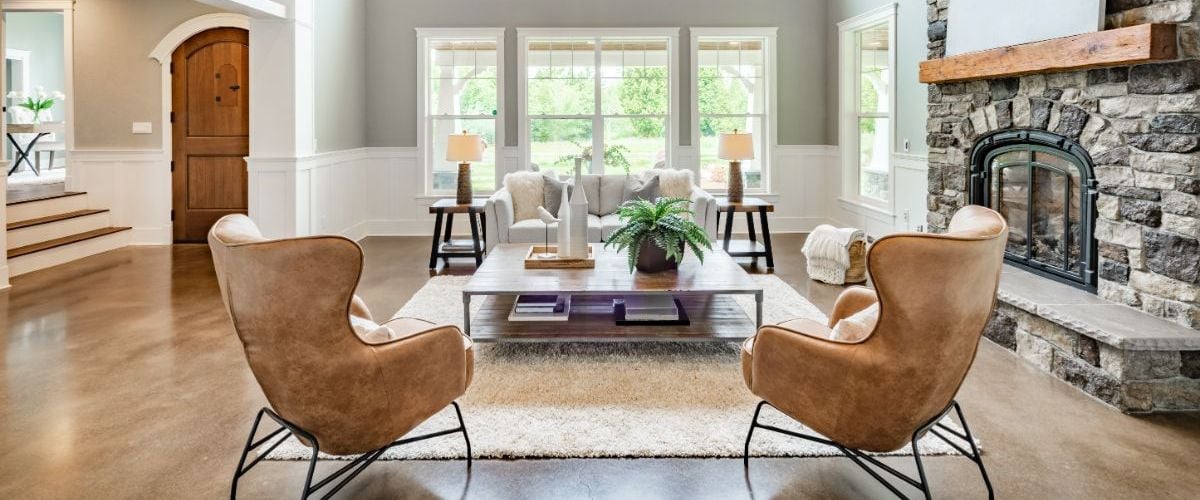
The Power of Home Staging
Home staging has become a game-changer in the real estate industry, with professionally staged homes selling 73% faster than their non-staged counterparts. This powerful tool allows potential buyers to envision themselves living in the space, making an emotional connection that can lead to quicker sales and higher offers. In fact, staged properties attract 50% more offers on average and sell for 10% more than un-staged homes. In the Greensboro market, staging is about more than just putting away clutter—it’s about honoring the architectural soul of your neighborhood to help buyers make an emotional connection.
To harness the power of home staging, focus on three key elements: decluttering, depersonalizing, and creating a neutral palette. Start by removing excess furniture and personal items, which can distract buyers from seeing the home's full potential. Aim for a clean, spacious look that showcases the property's best features.
Next, depersonalize the space by removing family photos, unique artwork, and other items that may not appeal to a broad range of buyers. The goal is to create a blank canvas that allows potential buyers to imagine their belongings in the home.
Finally, embrace a neutral color palette hat complements Greensboro's traditional brick accents and lush green views. Soft, inviting hues like beige, gray, and white create a sense of calm and sophistication while appealing to a wide variety of tastes. If your walls feature bold or outdated colors, consider repainting them in a more neutral shade.
When executed effectively, home staging communicates a sense of care and attention to detail that resonates with buyers.
If you're unsure about tackling the staging process on your own, consider enlisting the help of a professional home stager. These experts understand the latest design trends and can transform your space into a buyer's dream home. With 81% of buyers' agents reporting that staging helps clients visualize a property as their future residence, investing in professional staging can yield significant returns.
This strategic approach has the potential to significantly impact your home's sale price and time on the market, ensuring you maximize your investment and achieve your real estate goals.
Triad Staging Secret: Don't forget the screened porch or patio! In North Carolina, outdoor living spaces function like secondary living rooms. Stage your deck or porch with clean cushions and a small table to show buyers exactly where they'll enjoy their morning coffee or evening sweet tea.

Negotiation Strategies for Maximum Profit
To effectively navigate negotiations in Greensboro, it's crucial to look beyond standard sales psychology and understand the unique legal framework of the North Carolina Offer to Purchase.
In the Triad, a buyer’s offer isn't just defined by the final purchase price; it’s anchored by two distinct financial levers: the Due Diligence and the Earnest Money Deposit.
Many purchasers will initially submit a lower offer, expecting a counteroffer from the seller. Don't be discouraged by this strategy; instead, view it as an opportunity to showcase your home's unique value proposition. Highlight the upgrades you've made and the benefits they provide, such as increased energy efficiency or improved functionality.
When preparing for counteroffers, establish a clear bottom line—the minimum net proceed amount you are willing to accept—and stick to it. Rather than getting stuck in an endless back-and-forth on the listing price, leverage the non-refundable Due Diligence Fee to mitigate your risk. If a buyer pushes for a lower price or has a home sale contingency, counter by demanding a higher upfront, non-refundable Due Diligence check paid directly to you. This ensures that even if they choose to walk away during their inspection window, you are financially compensated for taking your home off the market
Another highly effective negotiation strategy in our local market is adjusting the Due Diligence Period. In a steady market like Guilford County, a shorter timeline (e.g., 10 to 14 days instead of the standard 3 weeks) forces the buyer to act fast on home, pest, and radon inspections. By keeping the inspection window tight, you minimize the time your home sits "under contract" and prevent buyers from inventing a long laundry list of minor repair demands at the eleventh hour.
Throughout this process, maintain an open line of communication with Jennifer. She will provide hyper-local comparable sales data from your specific Greensboro neighborhood—whether that's tracking recent closing trends in to firmly justify your counteroffer terms to the buyer’s agent. Trust her guidance, remain flexible, and use the unique advantages of the NC contract system to protect your equity and pull the maximum profit out of your sale
By leveraging your home upgrades, understanding buyer psychology, and preparing for counteroffers, you can navigate negotiations with confidence and secure the maximum profit from your home sale. Remember, every negotiation is unique, so remain flexible and open to creative solutions that benefit both parties.

Saving on Closing Costs
When selling a home in the Triad, understanding who pays what is essential to maximizing your final net proceeds. Closing costs shouldn't be a mystery at the settlement table. In Greensboro, local real estate customs establish a clear baseline for seller versus buyer responsibilities, though everything remains negotiable on the final contract.
Proactively addressing minor repairs and maintenance issues before listing your home can also help reduce closing costs. By taking care of small problems - such as leaky faucets, loose doorknobs, or cracked tiles - you demonstrate a well-maintained property and minimize the likelihood of buyer requests for repairs or concessions during closing. This approach not only saves you money but also streamlines the closing process, ensuring a smoother transaction.
Another way to strategically utilize seller concessions is by offering to cover specific closing costs in exchange for a higher sale price. This tactic can be particularly effective when working in a “buyer’s market” or with buyers who are tight on cash for upfront expenses. By offering to pay for items like the home warranty, property taxes, or even a year's worth of HOA fees, you can entice buyers while maintaining your desired price point.
When exploring ways to save on closing costs, it's essential to consult with your real estate agent and lender. They can provide valuable insights into local customs and help you identify areas where you can negotiate or make concessions without sacrificing your profits. For instance, some lenders offer no-closing-cost mortgage options, which can be attractive to buyers but may result in a slightly higher interest rate. Your agent can help you weigh the pros and cons of such arrangements and determine the best course of action for your situation.
Timing your closing strategically can also help reduce certain expenses. Closing near the end of the month can minimize prepaid interest charges, as interest is typically prorated based on the number of days left in the month. Additionally, and because North Carolina property taxes are paid in arrears, your prorated tax liability owed to the City of Greensboro and Guilford County will be smaller the closer you get to the end of the calendar year. Jennifer Pedersen will map out a custom net sheet for your specific property to show you exactly how these local customs impact your bottom line.
In Guilford County, the seller is traditionally responsible for the North Carolina Real Estate Excise Tax (often referred to as revenue stamps or deed stamps). This state tax is assessed at a flat rate of $1.00 per $500 (or $2 per $1,000) of the final purchase price. For example, if your home in Adams Farm or Lindley Park sells for $300,000, you will owe a fixed $600 at closing. Sellers also customarily pay the real estate commissions and the cost of preparing the new deed.
While some closing costs - such as taxes and government fees - are fixed and cannot be negotiated, there are still numerous ways to save. By thinking creatively, maintaining open communication with your agent and lender, and being willing to make strategic concessions, you can minimize your closing expenses and maximize your profits from the sale of your home.
Conclusion
Successfully selling a home in the Triad for maximum value doesn't require a massive financial overhaul—it requires a strategic, localized approach. Throughout this guide, we’ve outlined how leveraging market data, prioritizing high-ROI repairs like crawl space maintenance, and utilizing North Carolina’s unique due diligence terms can drastically protect your equity. By combining these targeted property upgrades with intentional home staging, you can elevate your Guilford County property value and stand out to eager buyers in a competitive market.
Every step you take to prepare your property from enhancing classic Southern curb appeal to understanding Greensboro closing customs can directly influence your ultimate net proceeds. These cost-effective tactics are proven to minimize your days on market while maximizing your walk-away profit at the closing table.
Don't leave your hard-earned equity to chance. Take action today by assessing your home's potential, focusing on high-impact updates, and staging your space to captivate local buyers. When you are ready to navigate the Greensboro real estate market with absolute confidence, reach out to Jennifer Pedersen to build a custom, data-driven strategy for your home sale.
Don't wait, take action now. Assess your home's potential, make targeted improvements, and stage it to impress. Your efforts will pay off when you successfully close a lucrative deal.