


Conversion in progress ...
Please wait while we generate your PDF
Top Strategies Home Buyers in Greensboro and the Triad Real Estate Market

Mastering Market Research
o start, you must understand the power of conducting thorough, localized market research. While national platforms like
Additionally, government websites such as the U.S. Census Bureau and the Bureau of Labor Statistics provide valuable insights into population growth, economic indicators, and employment trends in specific areas.
Real estate markets move in distinct hyper-local cycles. For instance, submarkets like Clemmons or Kernersville might see blistering paces under $500K, while luxury properties or specific central pockets like Old Irving Park and Starmount Forest follow entirely different pricing rules. Recognizing these neighborhood-level patterns allows you to time your purchase for maximum value and avoid overpaying.
Finally, don't underestimate the power of boots-on-the-ground local knowledge. Beyond reviewing the numbers, you want to analyze emerging growth corridors whether that’s watching the steady development out in Reedy Fork Ranch or tracking revitalization near Downtown Greensboro.
By combining local MLS indicators with a deep understanding of Triad neighborhood dynamics, you will transition from a casual browser to a data-driven investor ready to secure a winning deal.
Location Matters
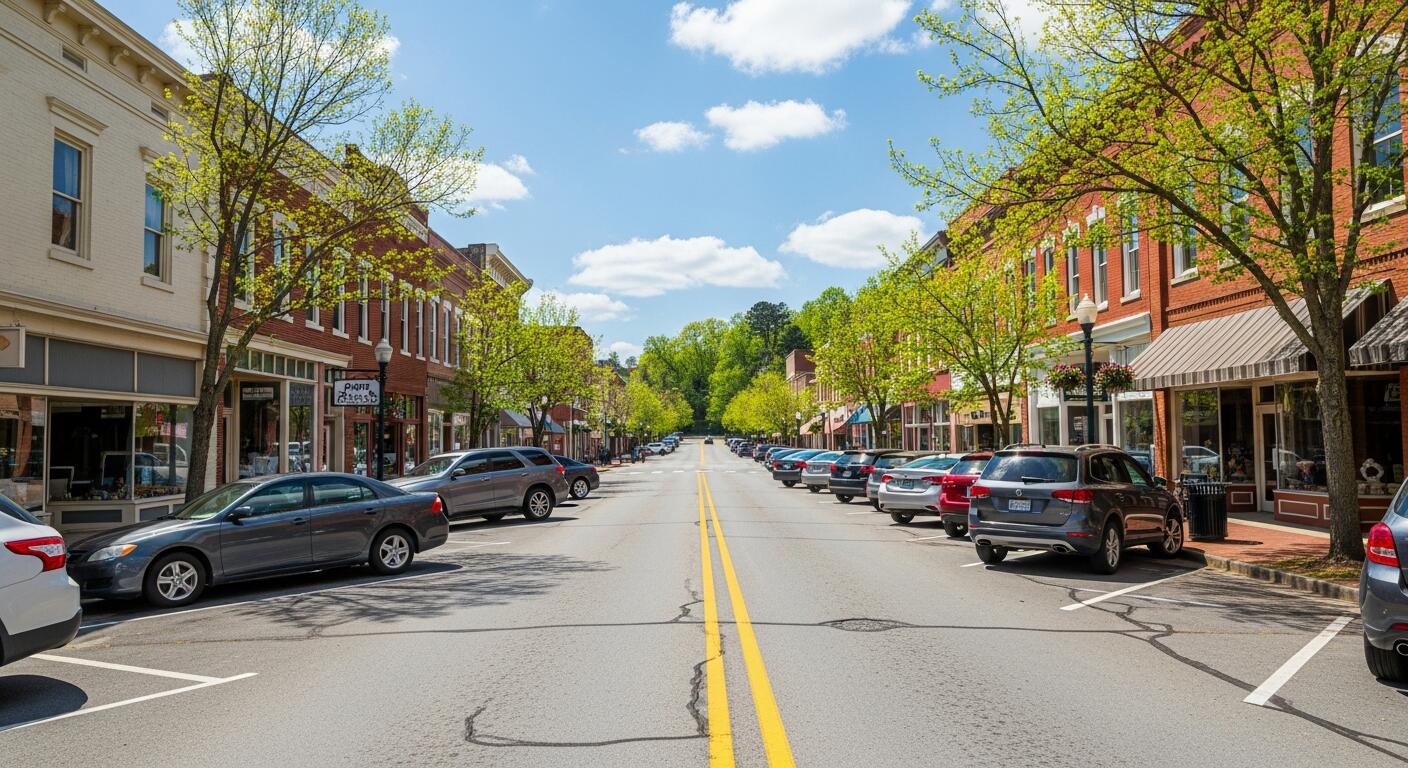
Savvy investors recognize that location is one of the most critical factors when it comes to a property's value and future appreciation potential. As the demand for a location increases, so does the value of the property. When evaluating a neighb
Researching the local school district is another key aspect of assessing a neighborhood because owning a home in a top-rated school district is one of the best ways to retain and grow your home's value. Even if you don't have children, a str
Safety and crime rates should also be factors when evaluating a location. Research the area using online resources like
Finally, assess the future potential of the area by looking for signs of capital injection. A prime example is the massive economic ripple effect felt around the newly completed Downtown Greensboro Greenway loop, which has catalyzed hundreds of millions in adjacent private investments, hotels, and residential developments.
Finally, assess the future potential of the area by looking for signs of growth and development. Are there new businesses opening up? Are there ongoing construction or planned projects? Check with the local planning department to learn about any zoning changes or proposed developments that could impact the neighborhood's character and value. Areas that are experiencing economic and cultural growth often drive demand and appreciation.
By carefully evaluating these factors, you can identify neighborhoods that not only meet your current needs but also have the potential to appreciate in value over time. With a strategic approach to location, you can set yourself up for success in both your home search and your long-term investment.

Evaluating Property Potential
When searching for your dream home, it’s easy to fall in love with beautiful countertops or a spacious backyard. However, looking at a property through a long-term financial lens ensures your home is a safe, stable investment for your family’s future. In the Triad, a home's future value is heavily anchored by its proximity to our major employment and lifestyle hubs.
Properties situated within an easy commute of major regional anchors—like the growing aerospace and tech sectors near Piedmont Triad International (PTI) Airport, corporate hubs like Volvo Trucks, or major healthcare networks like Cone Health—naturally maintain strong resale demand. Buying near these stable economic pillars protects your equity and ensures that when it comes time to sell down the road, you'll have a ready pool of eager buyers.
While cosmetic updates like new paint or flooring are easy weekend projects, you want to avoid hidden structural headaches that disrupt your life and drain your savings. When touring Triad homes, keep an eye out for these common regional construction quirks:
High-Humidity Crawl Spaces: Central North Carolina’s humid summers can take a toll on traditional crawl spaces. Look closely for musty odors or dampness under the home, which can indicate a lack of proper vapor barriers or poor drainage that needs fixing before move-in day.
Weather-Worn Rooflines: Piedmont thunderstorms and seasonal hail can accelerate roof wear. Pay attention to the age of the architectural shingles and ask about the roof's history so you aren't hit with an unexpected replacement cost shortly after closing.
Historic & Mid-Century Charm: If you are falling in love with a character-filled historic home in Fisher Park or a classic mid-century ranch in Starmount, keep in mind that older infrastructure often requires modern updates. Anticipate potential upgrades to outdated electrical wiring or older plumbing systems to ensure they meet modern safety standards for your family.
Look for homes that have been on the market for an extended period, properties that need cosmetic updates or minor repairs because you might find room for negotiations and secure a better price.
Conducting a Thorough Property Inspection
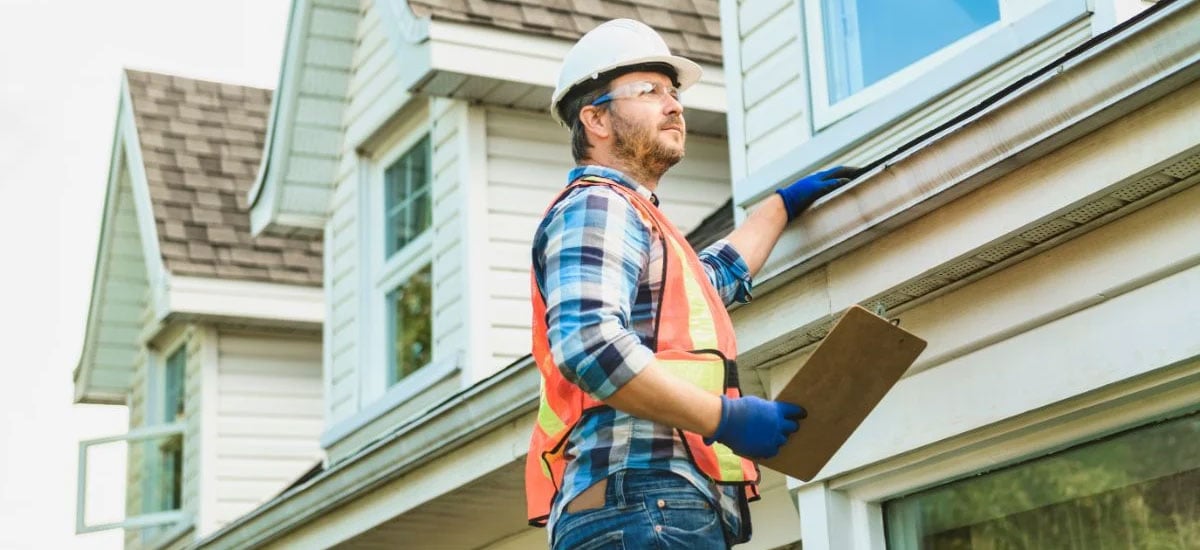
A comprehensive property inspection is your absolute best insurance policy when buying a home. In the Triad, a general home inspector evaluates the overall health of the structure, but our specific geography demands that you look closely at regional environmental and geological factors.
Start by assessing the property's structural integrity, and examining the foundation for cracks, bulges, or shifts. Carefully inspect the walls for damage, peeling paint, or loose sidings, and evaluate the roof for missing or damaged shingles, signs of leaks, or sagging areas.
Don't overlook the importance of checking the property's utilities and systems. Inspect the septic system for signs of leaks, backups, or foul odors, and verify that the water supply system, including outdoor faucets and sprinkler systems, is functioning properly. If the property uses gas, be sure to check for potential leaks. Assessing the property's drainage and flood risk is also crucial to avoid future water damage or safety hazards.
The Piedmont region is famous for its dense red clay soil. This soil expands significantly when wet and shrinks when dry, putting immense hydraulic pressure on foundations. Have your inspector look closely for stair-step cracks in brick facades or bowing walls in full basements—common indicators of clay-driven shifting.
The foothills and Piedmont regions of North Carolina have pockets of elevated radon gas (a naturally occurring, odorless radioactive gas that leaks from rock deposits). It is highly recommended to add a specific Radon Test to your inspection checklist. If levels exceed $4.0 \text{ pCi/L}$, you will want to negotiate a radon mitigation system before closing.
If you are touring homes built between the late 1970s and the mid-1990s in popular suburban developments, always verify the pipe material. "Poly" piping is notorious for sudden, catastrophic bursting due to degradation from water treatment chemicals. Upgrading from polybutylene to PEX can be a massive expense.
Because of our warm, humid climate, Central North Carolina is a hotbed for subterranean termites. A clear Wood-Destroying Insect Report (WDIR) issued by a licensed pest control professional is essential to ensure you aren't inheriting hidden structural damage.
When assembling your team, ensure you hire inspectors who are fully licensed by the North Carolina Home Inspector Licensure Board (NCHILB). A qualified local inspector will spend several hours examining everything from the attic insulation to the dampest corners of a crawl space.
By layering specialized local tests—like a WDIR pest inspection and a radon test—onto your standard physical inspection, you can confidently negotiate repairs or price drops, securing your investment on solid ground.
By conducting a thorough property inspection and considering all aspects of the property's condition and legal compliance, home buyers can make confident, informed decisions that align with their long-term goals and financial well-being.

Timing Your Purchase
When you are buying a home to live in, "timing the market" isn't about chasing Wall Street-style returns—it's about maximizing your budget, minimizing moving stress, and finding the right window of opportunity for your family. While mortgage rates influence your monthly payment nationwide, local employment waves and distinct seasonal weather patterns dictate how much competition you will face from other buyers right here in the Triad.
Understanding Triad Buying Seasons
Seasonal trends impact the housing market and can work in your favor if you time your purchase correctly. Typically, the spring and summer months see a surge in home-buying activity, leading to increased competition and potentially higher prices. Conversely, the winter months tend to be slower, with fewer buyers in the market. This can be an excellent opportunity to find motivated sellers who are willing to negotiate on price or offer other concessions.
To find the perfect opening for your home search, it helps to understand how the local housing inventory and buyer demand shift throughout the year:
The Academic & Spring Rush: Spring and summer are traditionally the busiest times for Triad real estate. Because our region is home to major institutions like UNC Greensboro (UNCG), North Carolina A&T, and Elon University, as well as the sprawling Cone Health network, a massive wave of medical professionals and academic families look to relocate simultaneously between April and August. If you shop during these months, you will see the highest number of homes hit the market, but you will also face the stiffest competition in popular neighborhoods like Starmount Forest or Northern Guilford.
The Winter Window of Opportunity: If your timeline is flexible, the late fall and winter months—specifically between November and January—offer a fantastic window for homebuyers. As the weather cools and the holidays approach, casual buyers drop out of the market. The sellers who keep their homes listed during this time are often highly motivated. For you, this means fewer competing bids, less pressure to rush your decision, and a much better environment to ask for closing cost assistance or repair concessions.
Keeping a Eye on Local Inventory
Ultimately, the best time to buy a home is when you are financially ready and find a property that fits your lifestyle. However, you can gain a major advantage by having your agent keep an eye on the Months of Inventory (MOI) report via the Triad MLS.
When inventory is incredibly low (a "sellers' market"), you may need to move quickly and decisively when a great home pops up. As inventory climbs toward a 5- or 6-month supply, the pace slows down, giving you more breathing room to tour homes thoroughly, negotiate comfortably, and settle into your new Triad community on your own terms.
Government legislation and policies can also influence the timing of your home purchase. Changes in tax laws, such as modifications to mortgage interest deductions or property tax rates, can impact the overall cost of homeownership. Staying informed about any upcoming legislative changes can help you make a more informed decision about when to buy.
Ultimately, the key to successfully timing your home purchase lies in your ability to gather and analyze relevant market data. This involves tracking interest rates, monitoring economic indicators, and staying attuned to seasonal and demographic trends. By combining this information with your personal financial situation, you can make confident and well-informed decisions.
Conclusion
Jennifer Pedersen Homes covered the essential strategies that elevate a standard house hunt into a smart, well-timed home purchase.
Buying a home is easily one of the most significant personal and financial milestones you will ever achieve. By approaching the market with open eyes, leveraging hyper-local data, and prioritizing your family's long-term peace of mind, you protect your hard-earned equity right from closing day.
Finding a property that fits your daily lifestyle while serving as a secure financial foundation isn't just possible—it's entirely within your reach.
When you are ready to take the next step and dive into the Greensboro and wider Triad housing market, having an experienced local guide by your side makes all the difference. Let's work together to turn your real estate goals into reality and find the perfect place for you to call home.